Home > Find Out More > Church
The Church of St Andrew
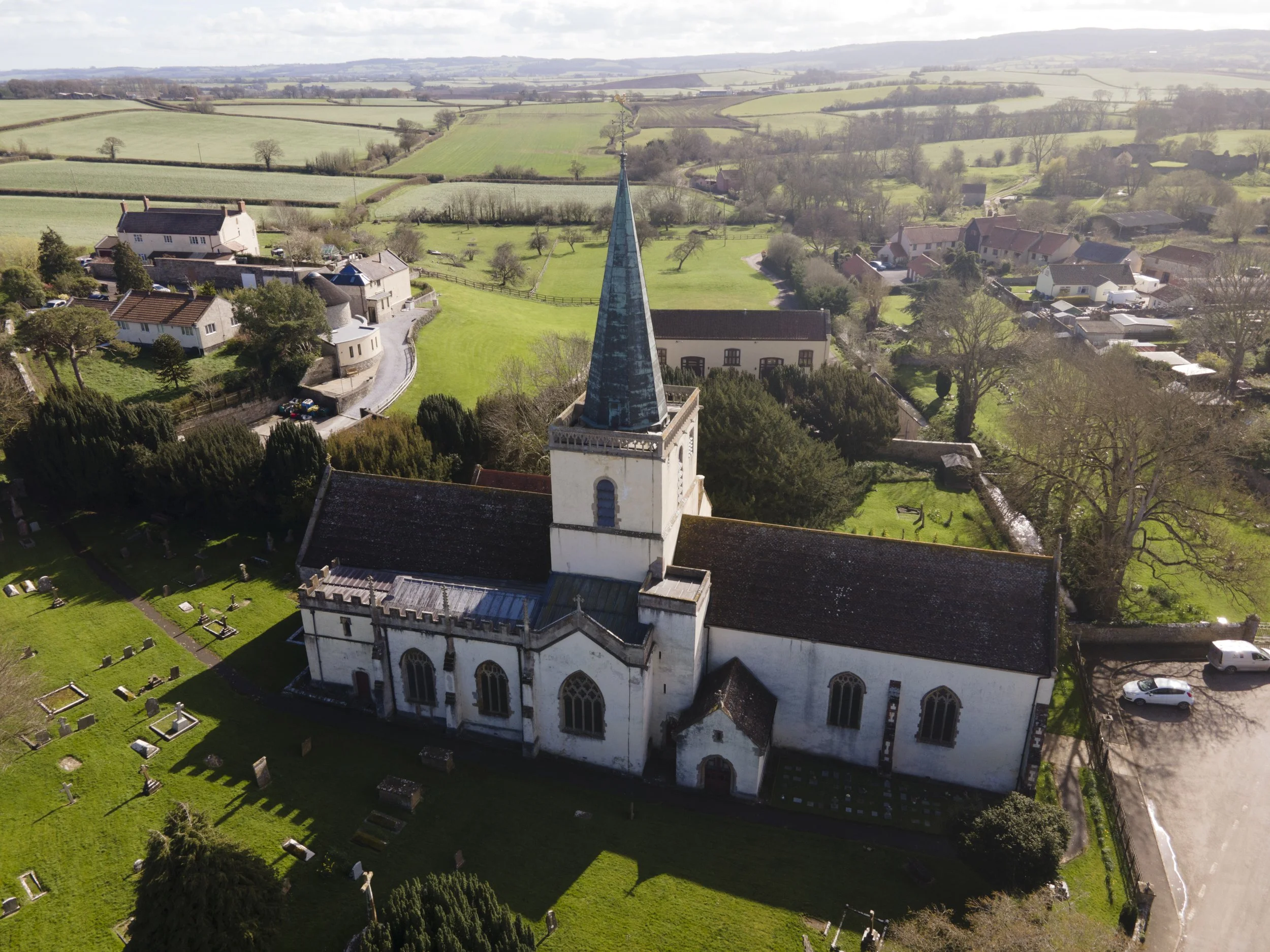
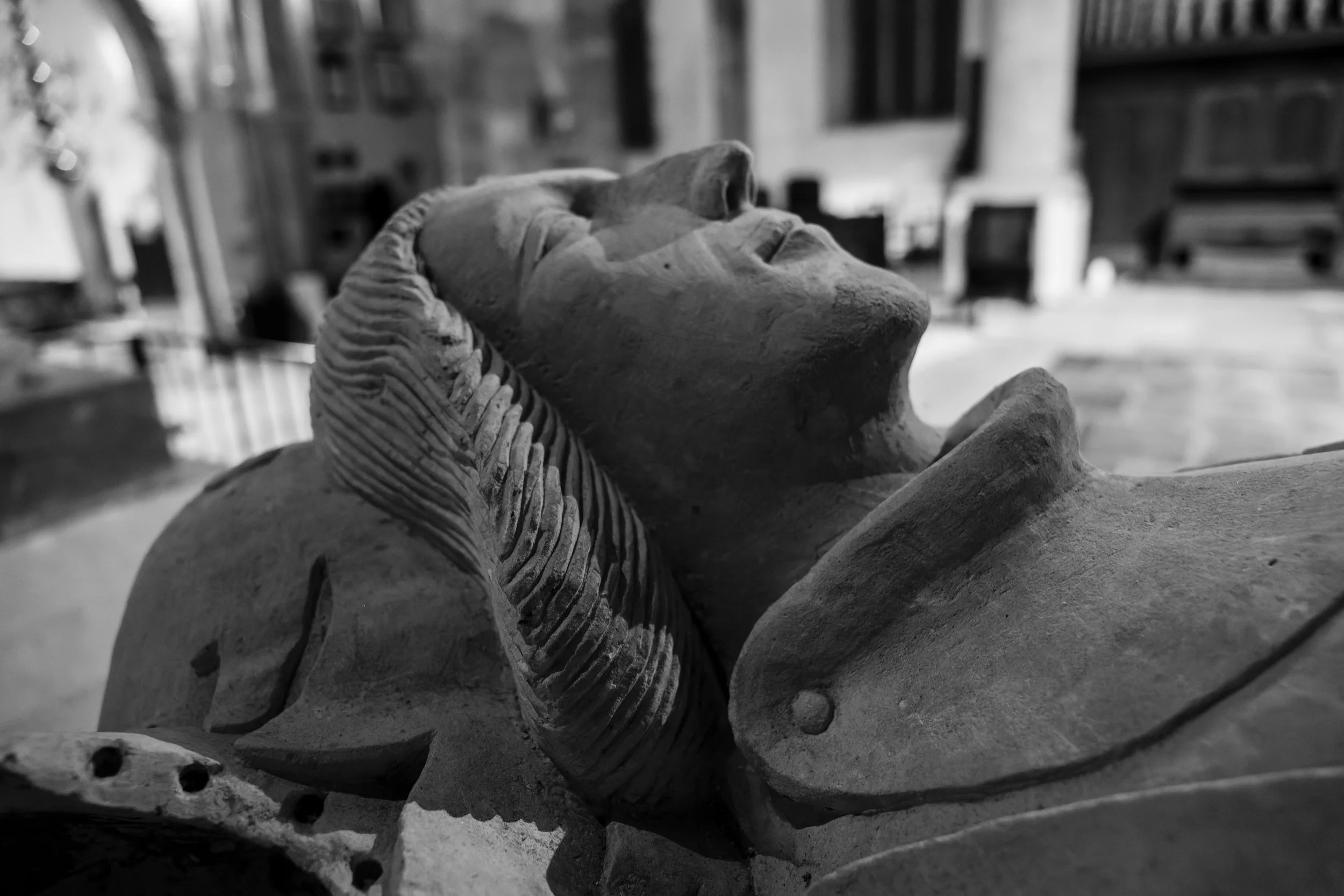
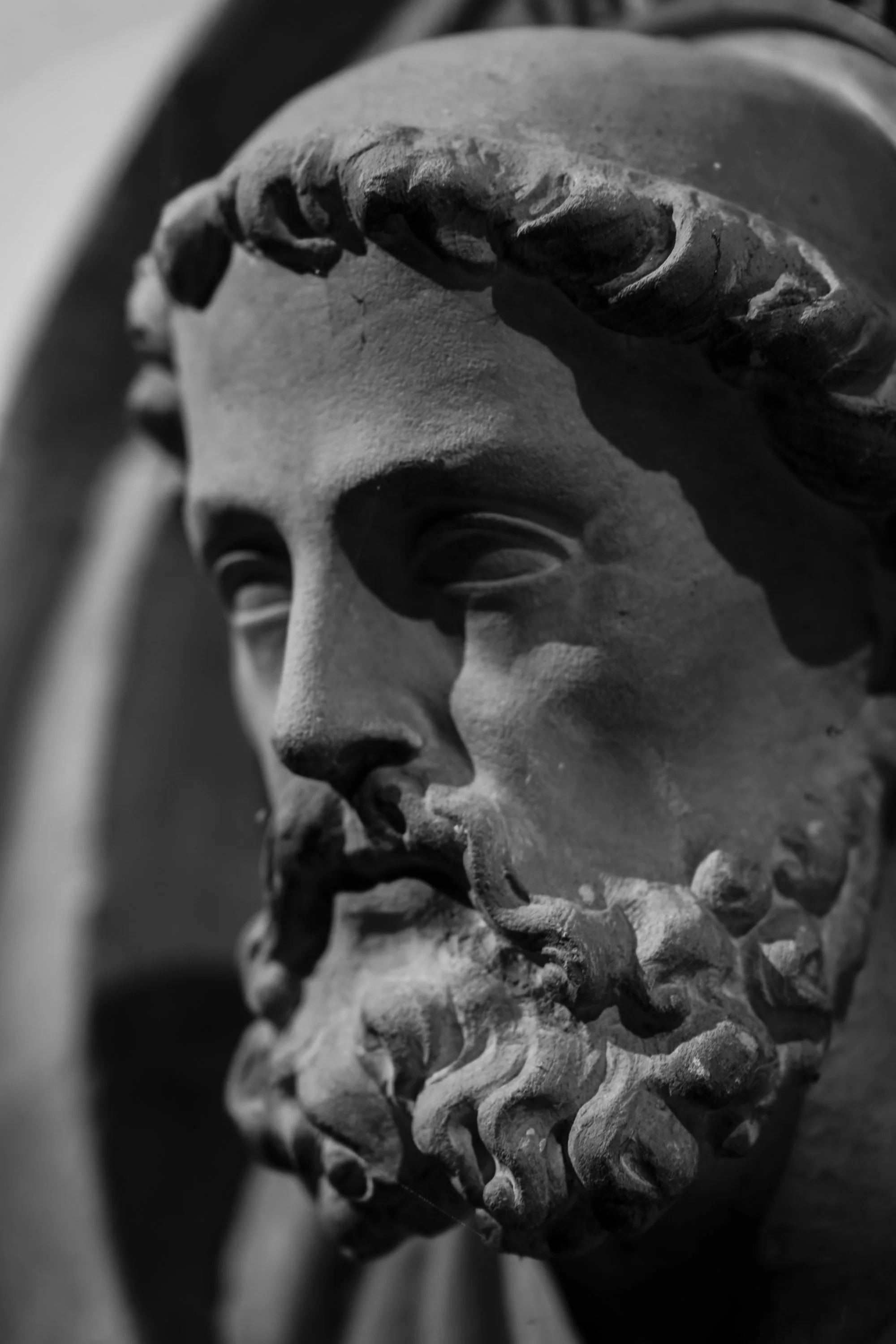
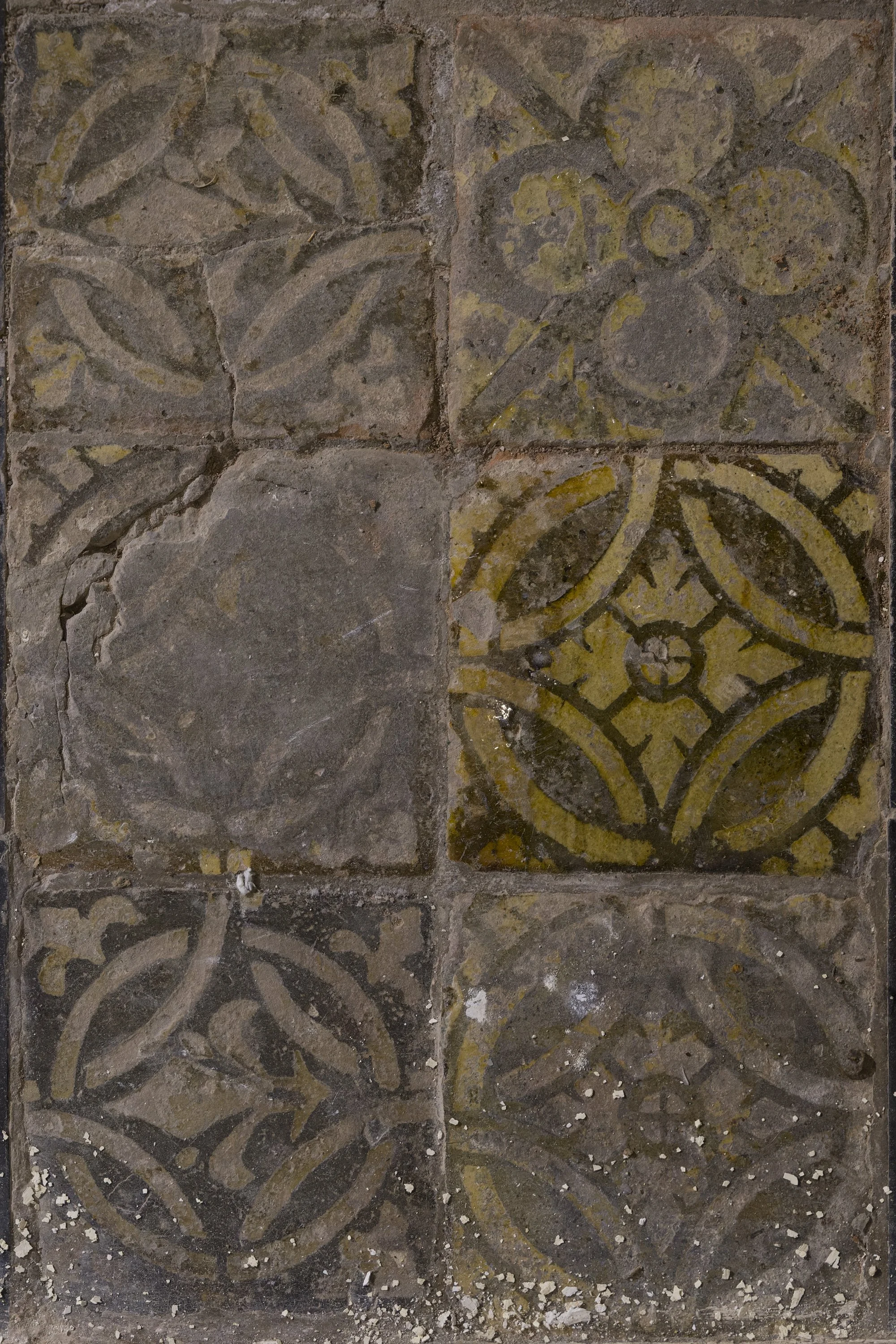
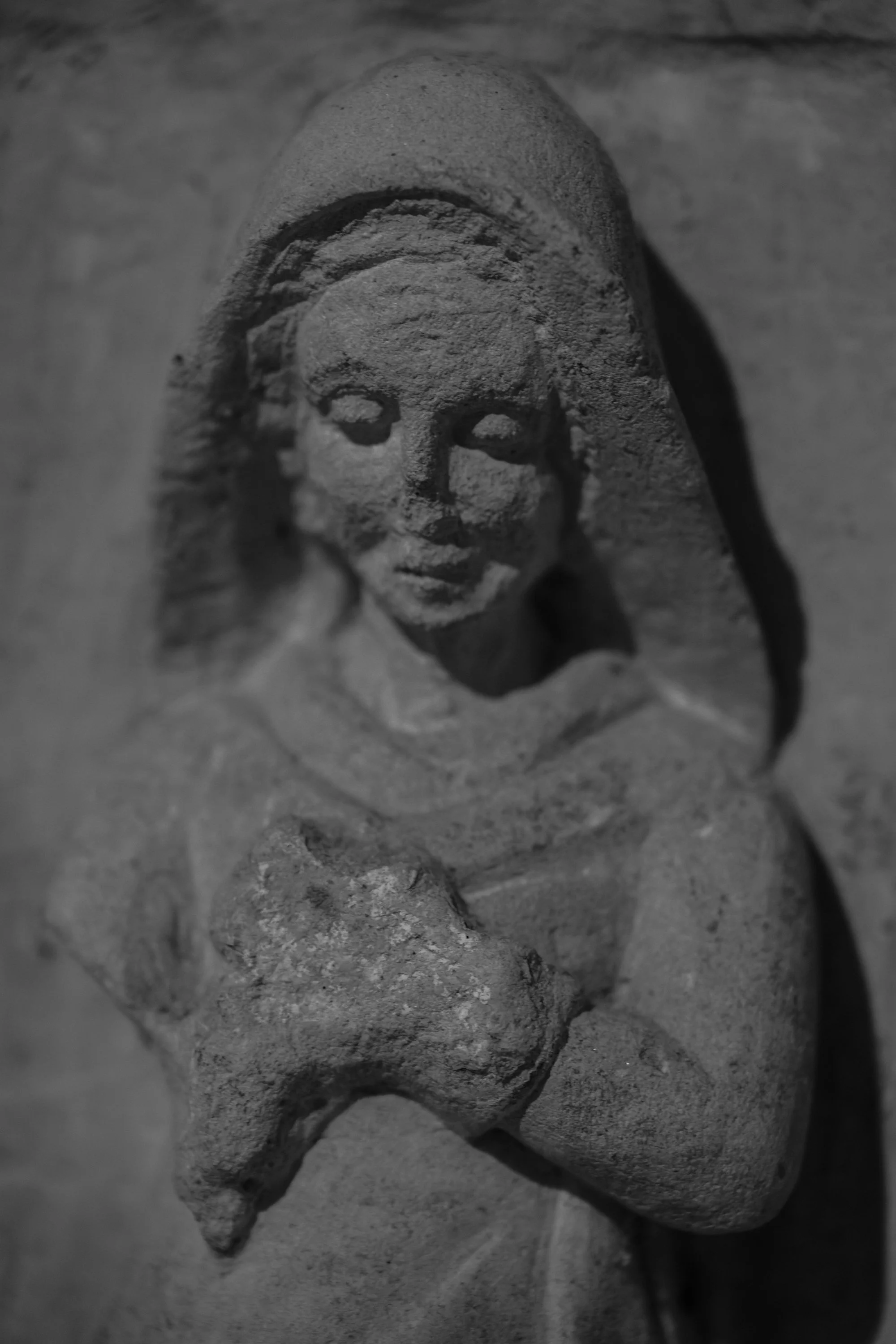
The Church of St Andrew is a Grade I listed building that began as an 11th-century Norman church and a Benedictine alien priory cell.
William de Falaise built the original Norman church after the Domesday survey. Between 1100 and 1107, he and his wife Geva gifted it to the Benedictine Abbey of Lonlay in Normandy, establishing Stogursey Priory. Around 1175, the original apses were demolished and the chancel was lengthened into a choir/presbytery, with the transepts extended eastward into chapels or aisles to accommodate the resident monks separate from the local parishioners.
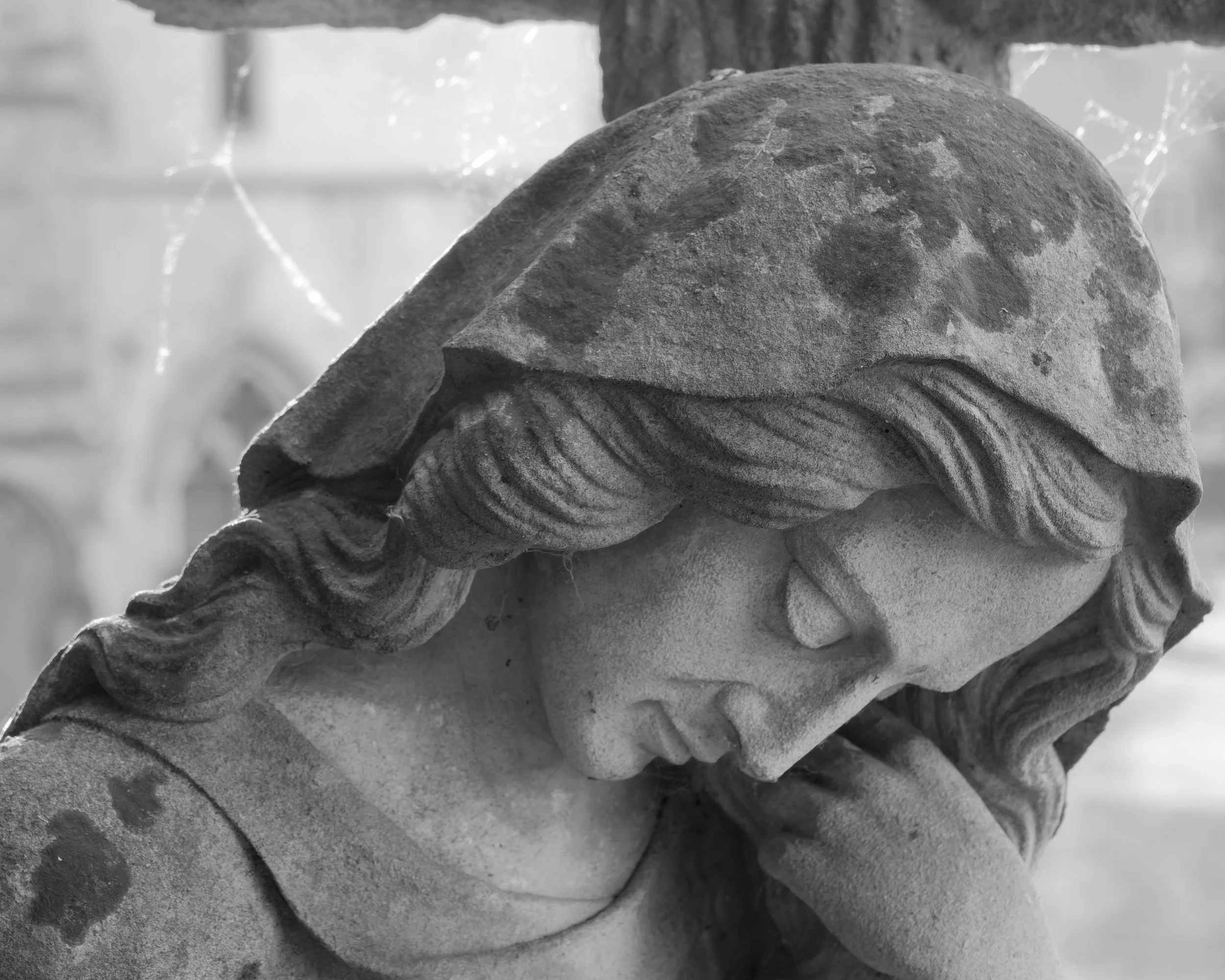
The priory was seized by Henry V and formally dissolved around 1440, with its revenues and patronage later granted by Henry VI to Eton College (whose Provost and Fellows still hold the living). Around 1500, the nave was extensively rebuilt along with the addition of a north porch.
The nave underwent a major restoration by Richard Carver in 1823–1824, and the chancel was largely rebuilt between 1863 and 1865 by John Norton. In the mid-20th Century, unnecessary Victorian alterations were selectively removed to uncover more of the historic fabric.
Stogursey Arts Festival
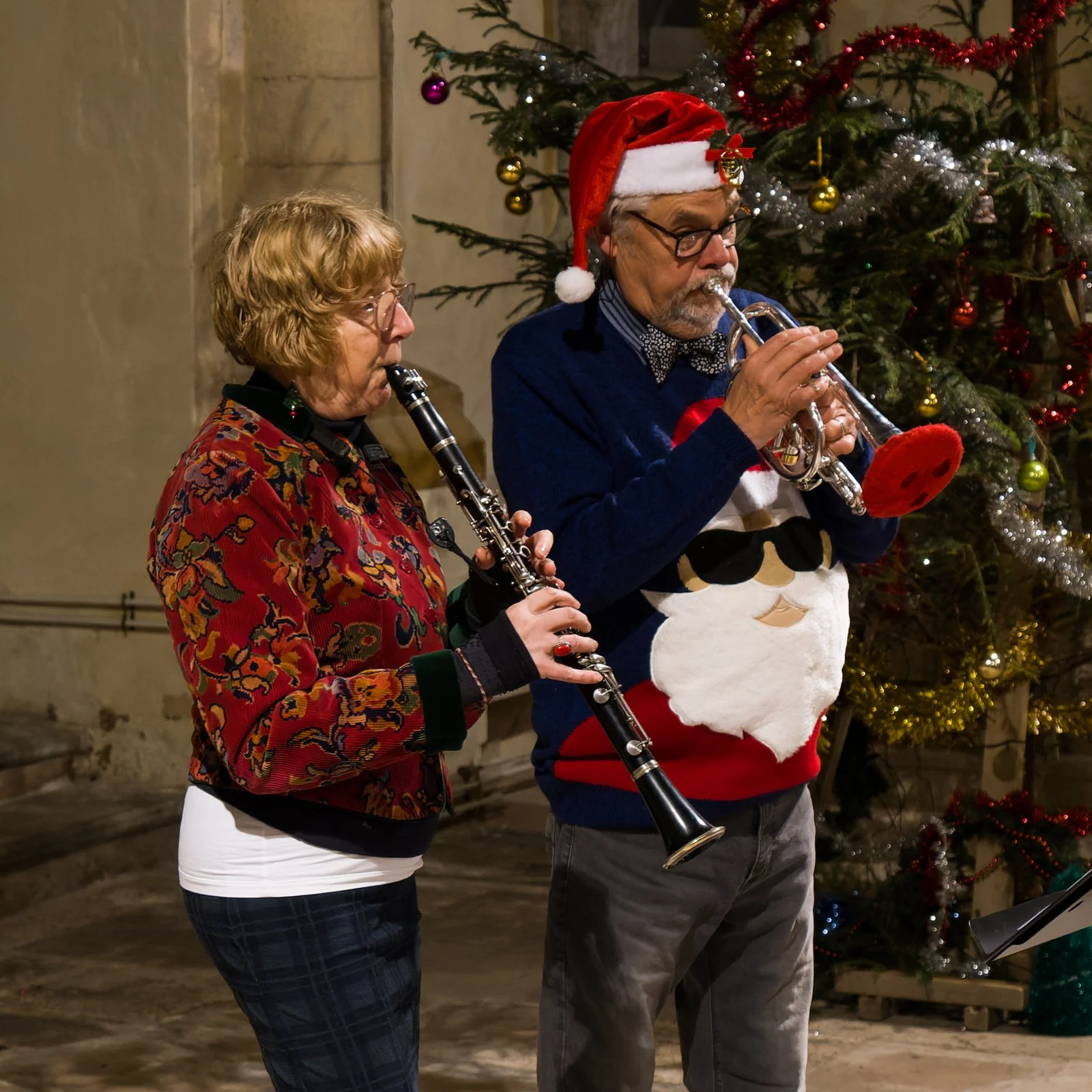
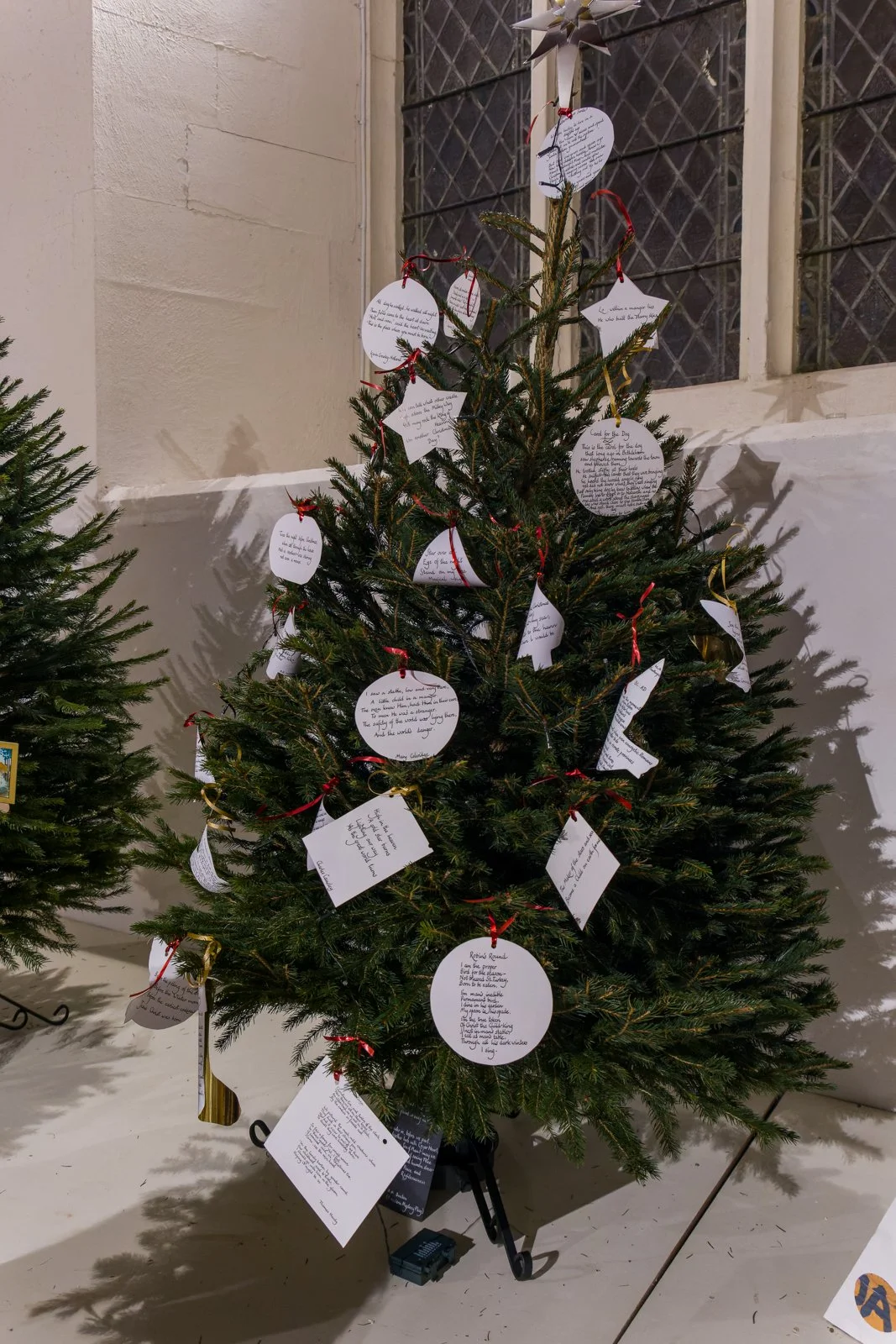
In addition to the conventional religious and communal functions of a parish church, The Church of St Andrews is regularly used as a venue for art exhibitions as part of the Stogursey Arts Festival and, in December, a Christmas Tree Festival.